The Rogue Scholar was written around 2010 before the events of today became, more or less, a bizarre kind of fulfillment of the work.
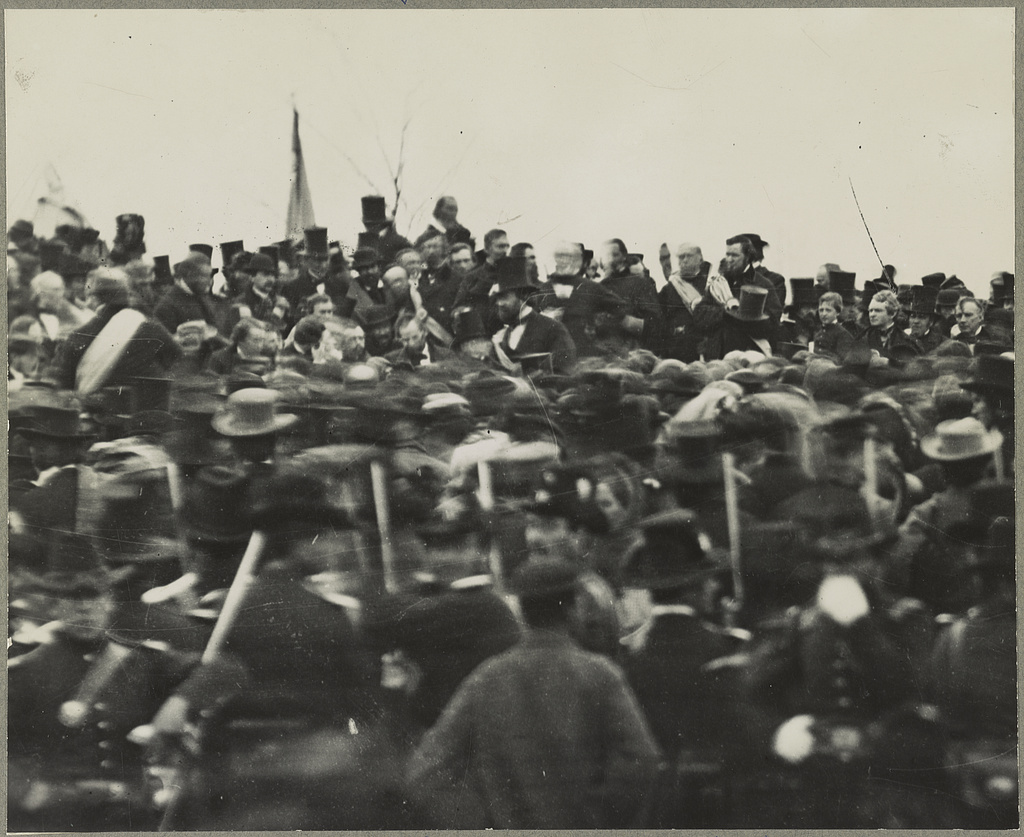
The idea that drove the narrative was to consider a post-truth world and what role religion might play in such a place and what might be done to try to replace it. This substitution creates a digital blurryness that makes reality and the digital world collide and intersect in unexpected ways. What kind of philosophy or belief helps a variety of people navigate such a place?
There are several characters with different answers to that question. Some allow money to be their guide. Others believe nothing, and try to play it safe with the establishment. Still, others join powerful cartels. Some are enslaved. Some learn how to provide entertainment.
Reality itself, though, seems to become even more blurry and urgent with a character known only as The Rogue making mostly unwanted appearances into several people's lives. Despite the answers many characters have above that they might have adopted, The Rogue involves them in deeper levels of matters that are supposed to remain hidden. This interaction puts the question to the beliefs each of them have formed because, it turns out, that in the land where nothing is as it seems, all of that is a mask for everything still not being what it seems at an even weirder level of reality.